logo

Shenzhen UNIKE Technology Limited sales@unike.cc 86-158-1737-7218

About Us
Why Choose Us
View More
Shenzhen UNIKE Technology Limited

HIGH QUALITY

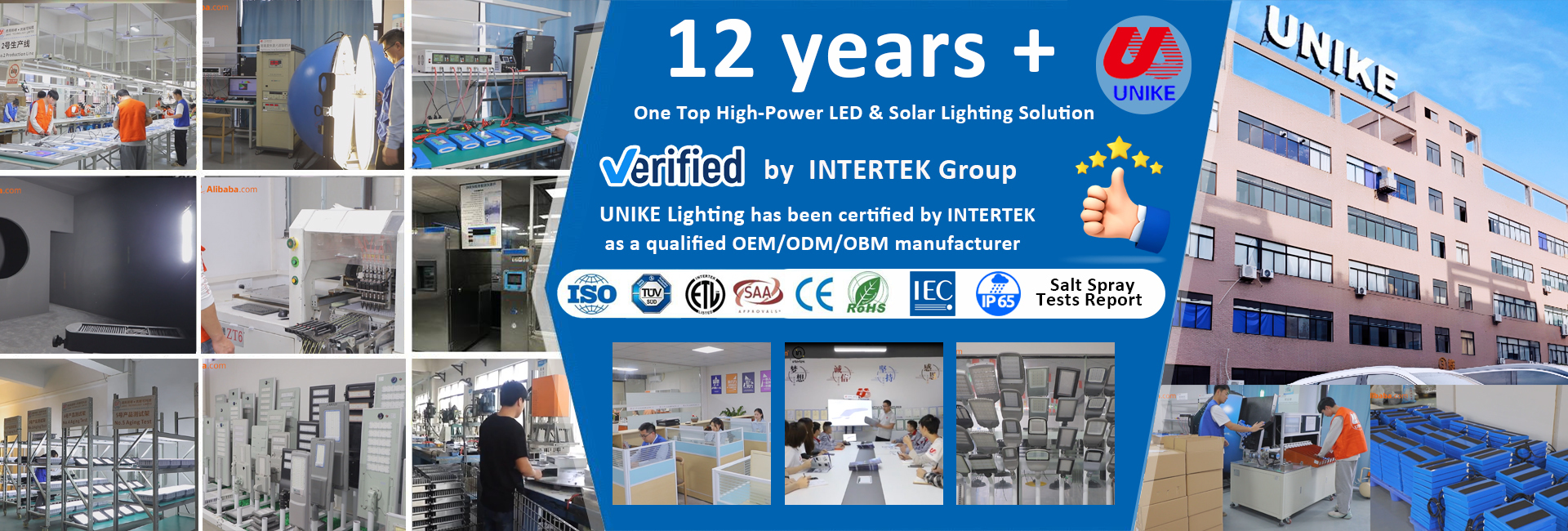
Trust Seal, Credit Check, RoSH and Supplier Capability Assessment. company has strictly quality control system and professional test lab.
Shenzhen UNIKE Technology Limited

DEVELOPMENT

Internal professional design team and advanced machinery workshop. We can cooperate to develop the products you need.
Shenzhen UNIKE Technology Limited

MANUFACTURING

Advanced automatic machines, strictly process control system. We can manufacture all the Electrical terminals beyond your demand.
Shenzhen UNIKE Technology Limited

100% SERVICE

Bulk and customized small packaging, FOB, CIF, DDU and DDP. Let us help you find the best solution for all your concerns.

2016

Year Established

120+

Employees

+

Customers Served

10000000+

Annual Sales

Our Products

Featured Products

China Shenzhen UNIKE Technology Limited
Contact Us
Play video
Contact at Any Time
Send

Shenzhen UNIKE Technology Limited

Address: 5th Floor, Building 1, Huimei Industrial Park, No. 121, Jiangmu Road, Jianghai District, Jiangmen City, Guangdong Province
Phone: 86-158-1737-7218
Our Products
Top Products
Our Cases
Recent Industrial Projects
Event
Our Latest News
Lastest company news about How to Extend the Service Life of High-Mast Floodlights?
How to Extend the Service Life of High-Mast Floodlights?
.gtr-container-x7y2z9 { font-family: Verdana, Helvetica, "Times New Roman", Arial, sans-serif; color: #333; line-height: 1.6; padding: 15px; max-width: 100%; box-sizing: border-box; } .gtr-container-x7y2z9 p { font-size: 14px; margin-bottom: 1em; text-align: left; word-break: normal; overflow-wrap: normal; } .gtr-container-x7y2z9 a { color: #007bff; text-decoration: none; } .gtr-container-x7y2z9 a:hover { text-decoration: underline; } .gtr-container-x7y2z9 strong { font-weight: bold; } .gtr-container-x7y2z9 .gtr-section-heading { font-size: 18px; font-weight: bold; margin-top: 2em; margin-bottom: 1em; text-align: left; color: #0056b3; } .gtr-container-x7y2z9 img { display: block; margin-top: 1.5em; margin-bottom: 1.5em; /* Strict image rules: no max-width, no height: auto, preserve original width */ /* width="650px" will be respected, potentially causing horizontal scroll on small screens */ } @media (min-width: 768px) { .gtr-container-x7y2z9 { padding: 25px; max-width: 960px; margin-left: auto; margin-right: auto; } .gtr-container-x7y2z9 .gtr-section-heading { margin-top: 2.5em; margin-bottom: 1.2em; } } High-mast floodlights are critical lighting solutions for large-scale areas such as stadiums, ports, highways, and industrial yards. Their reliable performance and long service life directly impact operational safety, maintenance costs, and overall lighting efficiency. However, due to their installation at great heights, exposure to harsh weather conditions, and continuous operation, high-mast floodlights are prone to wear and tear that shortens their lifespan. To address this challenge, we have compiled a comprehensive guide featuring professional strategies to maximize the durability and functionality of these essential lighting fixtures. Choose High-Quality Fixtures with Suitable Specifications The foundation of extending a high-mast floodlight’s service life lies in selecting the right product from the start. Opt for fixtures manufactured by reputable brands that adhere to international standards (such as IP65 or higher for waterproofing and dustproofing). Prioritize materials like die-cast aluminum for the housing, which offers excellent corrosion resistance and heat dissipation—two key factors in preventing premature failure. Additionally, match the fixture’s specifications to the actual application needs: for example, select LED floodlights with a high color rendering index (CRI) and appropriate wattage to avoid overloading, and ensure the light source’s operating temperature range aligns with the local climate (e.g., low-temperature-resistant models for cold regions). Avoid low-cost, substandard products, as they often use inferior components that degrade quickly under heavy use. Ensure Proper Installation and Wiring Incorrect installation is one of the leading causes of shortened floodlight lifespan. First, hire certified electricians with experience in high-mast lighting to handle the installation process. Ensure the mounting structure (pole, bracket) is sturdy and level, as vibrations or instability can damage internal components over time. When wiring, use high-quality, weather-resistant cables (such as UV-protected PVC or rubber-insulated wires) and follow the manufacturer’s guidelines for voltage and current ratings. Overlooking wire gauge compatibility can lead to overheating and electrical failures. Additionally, seal all connection points with waterproof tape or heat-shrink tubing to prevent moisture ingress, which is a major contributor to short circuits and component rust. Implement Regular Cleaning and Inspection High-mast floodlights are exposed to dust, dirt, bird droppings, and precipitation, which can accumulate on the lens and housing. This buildup not only reduces light output but also traps heat, accelerating the aging of internal components like LEDs and drivers. Establish a regular cleaning schedule—at least twice a year, or more frequently in dusty or coastal areas. Use a soft cloth, mild detergent, and water to gently wipe the lens and housing; avoid abrasive materials that could scratch the lens. During cleaning, conduct a thorough inspection: check for loose connections, damaged cables, cracks in the housing, and signs of corrosion. Pay special attention to the LED chips—if they appear dim, discolored, or flickering, it may indicate a failing driver or overheating issue that requires immediate repair. Manage Operating Temperature Effectively Temperature extremes are detrimental to high-mast floodlights, especially LED models. LEDs are sensitive to overheating, which can reduce their luminous efficacy and lifespan significantly. To mitigate this, ensure the fixture’s heat sink is unobstructed during installation—avoid placing the floodlight too close to walls or other objects that block airflow. For high-temperature environments, select fixtures with enhanced heat dissipation designs, such as oversized heat sinks or active cooling systems. In cold regions, choose models with low-temperature startup capabilities to prevent damage from frozen components. Additionally, avoid frequent on-off cycling, as this can cause thermal shock to the LED chips and driver. If possible, use motion sensors or timers to reduce unnecessary operation, which not only saves energy but also minimizes thermal stress. Protect Against Environmental Hazards Different environments pose unique threats to high-mast floodlights. In coastal areas, salt spray can cause severe corrosion of metal components—opt for fixtures with anti-corrosive coatings (such as powder coating or anodization) and stainless steel fasteners. In industrial areas with chemical fumes, select chemically resistant materials to prevent housing degradation. For areas prone to lightning strikes, install surge protectors and grounding systems to shield the floodlight’s electrical components from voltage spikes. Wind load is another consideration: ensure the fixture and mounting structure are rated for the local wind speed to avoid mechanical damage during storms. Invest in Professional Maintenance and Timely Repairs Proactive maintenance is key to extending the service life of high-mast floodlights. Schedule annual professional inspections by qualified technicians who can perform in-depth checks of internal components, test electrical performance, and calibrate light output. Replace worn parts (such as drivers, cables, or gaskets) promptly—delaying repairs can lead to more severe damage and costly replacements. Keep detailed maintenance records, including installation dates, cleaning schedules, and repair history, to track the fixture’s performance and identify potential issues early. For large-scale installations, consider partnering with a maintenance service provider that offers regular checkups and emergency repair services, ensuring minimal downtime and optimal performance. Conclusion Extending the service life of high-mast floodlights requires a combination of quality selection, proper installation, regular maintenance, and environmental protection. By following these strategies, you can not only maximize the durability of your lighting fixtures but also reduce maintenance costs, improve energy efficiency, and ensure reliable lighting for years to come. Remember, a proactive approach—rather than reactive repairs—is the most effective way to protect your investment and keep high-mast floodlights operating at their best.
Lastest company news about How to Adjust the Time of a Road Street Light Controller?
How to Adjust the Time of a Road Street Light Controller?
.gtr-container-qwe123xyz { font-family: Verdana, Helvetica, "Times New Roman", Arial, sans-serif; color: #333; line-height: 1.6; padding: 15px; box-sizing: border-box; max-width: 100%; overflow-x: hidden; } .gtr-container-qwe123xyz p { margin-top: 0; margin-bottom: 1em; font-size: 14px; text-align: left !important; word-break: normal; overflow-wrap: normal; } .gtr-container-qwe123xyz .gtr-heading-level2 { font-size: 18px; font-weight: bold; margin-top: 1.5em; margin-bottom: 1em; color: #222; } .gtr-container-qwe123xyz a { color: #007bff; text-decoration: none; } .gtr-container-qwe123xyz a:hover { text-decoration: underline; } .gtr-container-qwe123xyz p img { margin: 1.5em 0; } @media (min-width: 768px) { .gtr-container-qwe123xyz { padding: 25px; } .gtr-container-qwe123xyz p { margin-bottom: 1.2em; } .gtr-container-qwe123xyz .gtr-heading-level2 { margin-top: 2em; margin-bottom: 1.2em; } } Road street light controllers play a crucial role in managing the operation of street lighting systems, ensuring they turn on and off at the right times to enhance road safety, save energy, and reduce maintenance costs. One of the core functions of these controllers is time adjustment, which varies slightly depending on the type of controller. Below is a detailed guide to help you understand how to adjust the time for different types of road street light controllers. Manual Timer Controllers Manual timer controllers are the most basic type, often used in small-scale road lighting systems or areas where time adjustments are not frequent. The adjustment process is straightforward and requires physical operation on the controller itself. First, locate the controller unit, which is usually installed in a weatherproof box near the street light pole or in a control room. Open the box (you may need a screwdriver for safety locks) and find the time-setting dial or buttons. Most manual controllers have a 24-hour or 12-hour clock face printed on the dial. To set the current time, press and hold the "Time" or "Clock" button, then rotate the dial until the pointer aligns with the correct current time. Some models use up/down arrow buttons instead of a dial—simply press these buttons to adjust the hour and minute hands to the desired time. Next, set the on/off times. Manual controllers typically have "On" and "Off" tabs or sliders around the clock dial. Slide the "On" tab to the time you want the street lights to turn on (e.g., 18:30) and the "Off" tab to the time you want them to turn off (e.g., 06:00). Ensure the tabs are firmly in place to avoid misalignment. After setting, close the controller box and test the system by checking if the lights respond correctly at the set times. Note that manual controllers do not automatically adjust for daylight saving time or seasonal changes, so you will need to manually update the settings as needed. Automatic Astronomical Controllers Astronomical controllers are widely used in modern road lighting systems because they automatically calculate sunrise and sunset times based on the location’s latitude and longitude, eliminating the need for frequent manual adjustments. However, initial setup and occasional time calibration are still required. To adjust the time on an astronomical controller, start by accessing the settings menu. This can usually be done via physical buttons on the controller or a remote control. Some advanced models also offer a mobile app or web interface for remote configuration. Once in the menu, select the "Time Setting" or "Clock Calibration" option. If the controller has a GPS function, it may automatically sync the current time, but you can still manually adjust it if needed by entering the correct hour and minute. In addition to the current time, you may need to set the location parameters (latitude and longitude) if they haven’t been configured yet. This ensures the controller accurately predicts sunrise and sunset times. Some controllers also allow you to set a "delay on" or "delay off" time—for example, turning on the lights 30 minutes before sunset or turning them off 30 minutes after sunrise. After completing all settings, save the changes and exit the menu. The controller will then operate automatically based on the configured time and location data. Smart Networked Controllers Smart networked controllers are the most advanced type, connected to a central management system via Wi-Fi, Bluetooth, or cellular networks. They offer real-time monitoring and remote time adjustment, making them ideal for large-scale road lighting projects. Adjusting the time on a smart networked controller is typically done through a central platform or mobile app. Log in to the platform using your account, select the specific controller or group of controllers you want to adjust, and navigate to the time settings section. Here, you can set the current time manually or enable automatic time sync with a network time protocol (NTP) server, which ensures the time is always accurate. Smart controllers also allow you to create custom time schedules. For example, you can set different on/off times for weekdays and weekends, or adjust the brightness level based on the time of day. Some models even support scene settings—such as dimming the lights during low-traffic hours to save energy. After setting the desired time parameters, send the commands to the controller, and the changes will take effect immediately. Additionally, the central platform will record all time adjustment logs, making it easy to track and manage the system’s operation. Key Notes for Time Adjustment Before adjusting the time, ensure the controller is powered on and functioning properly. If the controller is not responding, check the power supply and connections first. For outdoor controllers, make sure to operate in a dry environment to avoid electrical hazards. Use insulated tools if necessary. When setting the time, consider factors such as daylight saving time, seasonal changes, and local traffic conditions. For example, in areas with heavy morning or evening traffic, you may need to adjust the on/off times accordingly. Regularly check and calibrate the time, especially for manual controllers, to ensure the street lights operate as expected. For astronomical and smart controllers, verify the location data and network connection periodically to maintain accuracy. If you are unsure about the adjustment process, refer to the controller’s user manual or contact the manufacturer’s technical support for assistance. In conclusion, adjusting the time of a road street light controller depends on the type of controller, but the core principle is to ensure the lights turn on and off at the appropriate times. Whether you are using a manual, astronomical, or smart controller, following the correct steps and considering key factors will help optimize the performance of the road lighting system, providing safe and energy-efficient illumination for drivers and pedestrians.
Lastest company news about What Is LED Luminaire Lumen Degradation?
What Is LED Luminaire Lumen Degradation?
.gtr-container-x7y2z9 { font-family: Verdana, Helvetica, "Times New Roman", Arial, sans-serif; color: #333; line-height: 1.6; padding: 15px; max-width: 100%; box-sizing: border-box; } .gtr-container-x7y2z9 p { font-size: 14px; margin-bottom: 1em; text-align: left !important; } .gtr-container-x7y2z9 strong { font-weight: bold; color: #222; } .gtr-container-x7y2z9 a { color: #007bff; text-decoration: none; } .gtr-container-x7y2z9 a:hover { text-decoration: underline; } .gtr-container-x7y2z9 .gtr-main-subject { font-size: 18px; color: #1a1a1a; } .gtr-container-x7y2z9 ul { list-style: none !important; padding-left: 20px; margin-bottom: 1em; } .gtr-container-x7y2z9 ul li { position: relative; padding-left: 15px; margin-bottom: 0.5em; list-style: none !important; font-size: 14px; text-align: left !important; } .gtr-container-x7y2z9 ul li::before { content: "•" !important; position: absolute !important; left: 0 !important; color: #007bff; font-size: 1.2em; line-height: 1; } .gtr-container-x7y2z9 img { height: auto; margin-top: 1em; margin-bottom: 1em; } @media (min-width: 768px) { .gtr-container-x7y2z9 { max-width: 960px; margin: 0 auto; padding: 25px; } .gtr-container-x7y2z9 .gtr-main-subject { font-size: 20px; } } In the realm of lighting technology, LED (Light-Emitting Diode) luminaires have gained widespread popularity due to their energy efficiency, long lifespan, and environmental friendliness. However, like all lighting products, LEDs are not immune to a natural phenomenon known as lumen degradation—commonly referred to as "light decay" in everyday language. For both consumers and industry professionals, understanding this concept is crucial for making informed decisions about LED lighting investments, maintenance, and performance expectations. At its core, LED luminaire lumen degradation refers to the gradual and irreversible reduction in the light output (measured in lumens) of an LED fixture over time. Unlike traditional incandescent bulbs, which often burn out suddenly, LEDs fade slowly: their brightness diminishes steadily rather than failing abruptly. This process is inherent to the physics of LED operation, but its rate can be significantly influenced by various external and internal factors. It is important to note that lumen degradation is distinct from "catastrophic failure," where an LED stops working entirely—though severe degradation may eventually render a fixture impractical for its intended use. To grasp why light decay occurs, we must delve into the internal structure of an LED. An LED generates light through the movement of electrons across a semiconductor material (typically a diode made of gallium nitride or similar compounds). When electricity passes through the diode, electrons recombine with electron holes, releasing energy in the form of photons (light). Over time, this process causes cumulative damage to the semiconductor and surrounding components, leading to reduced light production. Key contributors to this damage include: Heat Stress: Excessive heat is the primary culprit behind accelerated lumen degradation. LEDs are sensitive to high temperatures—when operated at elevated temperatures (often caused by poor heat dissipation, inadequate fixture design, or ambient heat), the semiconductor material degrades faster, and the phosphor coating (used to convert blue LED light to warm white or other colors) deteriorates. This is why high-quality LED fixtures incorporate heat sinks or thermal management systems to dissipate heat effectively. Electrical Stress: Voltage fluctuations, overcurrent, or operating an LED beyond its rated electrical parameters can damage the diode’s junction, reducing its ability to emit light. Material Degradation: The phosphor coating, lens, and other components of the LED fixture can degrade over time due to exposure to UV radiation (from the LED itself or external sources), moisture, or chemical reactions, leading to reduced light transmission and output. The rate of LED lumen degradation is typically quantified using the L70 rating—a standard metric in the lighting industry. The L70 rating indicates the number of hours it takes for an LED fixture to lose 30% of its initial light output (i.e., retain 70% of its original lumens). For example, an LED with an L70 rating of 50,000 hours will still emit 70% of its initial brightness after 50,000 hours of operation. High-quality LEDs often have L70 ratings of 50,000 to 100,000 hours or more, depending on their design and operating conditions. Other ratings, such as L50 (50% lumen retention) or L90 (90% lumen retention), are also used for specific applications, but L70 is the most widely accepted benchmark for general lighting. Several factors can either accelerate or slow down lumen degradation. Proper thermal management is the most critical: fixtures with efficient heat sinks, adequate ventilation, and operation within the recommended temperature range (typically -40°C to 85°C for the LED junction) will degrade much more slowly. Additionally, using high-quality components (such as premium semiconductors and phosphor coatings), stable power supplies, and avoiding overvoltage/overcurrent can extend the time until significant light decay occurs. Environmental factors also play a role—LEDs used in humid, corrosive, or high-temperature environments (e.g., outdoor lighting in hot climates or industrial settings) may experience faster degradation than those used in controlled indoor spaces. For consumers, understanding lumen degradation helps set realistic expectations: an LED bulb advertised as "100,000-hour lifespan" will not maintain full brightness for that entire period but will gradually dim. For commercial and industrial users, this knowledge is essential for maintenance planning—replacing fixtures before their light output drops below the minimum required for safety or productivity. It also highlights the importance of investing in high-quality LED products from reputable manufacturers, as cheaper, poorly designed fixtures often have inferior thermal management and faster lumen degradation, leading to shorter effective lifespans. In conclusion, LED luminaire lumen degradation is a natural, unavoidable process, but its impact can be minimized through thoughtful design, quality components, and proper use. By recognizing the causes, understanding key metrics like L70, and taking steps to mitigate stressors (especially heat), users can maximize the performance and lifespan of their LED lighting systems. As LED technology continues to advance, manufacturers are developing new materials and designs to slow down lumen degradation further, making LEDs an even more reliable and cost-effective lighting solution for the future.
Lastest company news about LED Linear Lights: Outdoor Illumination Effects and Their Role in Exterior Lighting Projects
LED Linear Lights: Outdoor Illumination Effects and Their Role in Exterior Lighting Projects
.gtr-container-f8h3j1k9 { font-family: Verdana, Helvetica, "Times New Roman", Arial, sans-serif; color: #333; line-height: 1.6; padding: 15px; overflow-x: hidden; } .gtr-container-f8h3j1k9 p { margin-bottom: 1em; text-align: left !important; font-size: 14px; word-break: normal; overflow-wrap: normal; } .gtr-container-f8h3j1k9 a { color: #007bff; text-decoration: none; font-weight: bold; } .gtr-container-f8h3j1k9 a:hover { text-decoration: underline; } .gtr-container-f8h3j1k9 strong { font-weight: bold; } .gtr-container-f8h3j1k9 .gtr-main-title { font-size: 18px; font-weight: bold; margin-bottom: 1.5em; color: #1a1a1a; text-align: left; } .gtr-container-f8h3j1k9 .gtr-section-title { font-size: 18px; font-weight: bold; margin-top: 2em; margin-bottom: 1em; color: #1a1a1a; text-align: left; } .gtr-container-f8h3j1k9 .gtr-subsection-title { font-size: 16px; font-weight: bold; margin-top: 1.5em; margin-bottom: 0.8em; color: #333; text-align: left; } .gtr-container-f8h3j1k9 img { display: block; margin: 1.5em auto; height: auto; } @media (min-width: 768px) { .gtr-container-f8h3j1k9 { padding: 25px 50px; max-width: 960px; margin: 0 auto; } .gtr-container-f8h3j1k9 .gtr-main-title { font-size: 20px; } .gtr-container-f8h3j1k9 .gtr-section-title { font-size: 20px; } .gtr-container-f8h3j1k9 .gtr-subsection-title { font-size: 18px; } } LED Linear High Bay Lights: Redefining Outdoor Industrial Illumination In the landscape of outdoor industrial and large-scale lighting, LED linear high bay lights have emerged as a game-changing solution, tailored to meet the rigorous demands of high-ceilinged outdoor spaces, industrial sites, and large open areas. Distinguished by their exceptional brightness, robust construction, and energy-efficient performance, these specialized fixtures deliver unique illumination effects while playing​ a crtical role in enhancing the functionality, safety, and visual appeal of outdoor industrial and commercial environments. This article delves into the distinctive outdoor illumination effects of LED linear high bay lights and their indispensable role in modern exterior lighting projects. Outstanding Outdoor Illumination Effects of LED Linear High Bay Lights LED linear high bay lights are engineered to address the challenges of illuminating large, open outdoor spaces, leveraging advanced optical design and high-performance LED chips to produce targeted, powerful illumination effects.​ High-Intensity Uniform Coverage The most defining effect of LED linear high bay lights is their high-lumen uniform illumination, capable of covering expansive areas with consistent brightness. Designed with high luminous efficacy (typically 100-150 lumens per watt) and evenly spaced LED arrays, these fixtures eliminate dark zones and light inconsistencies— a critical advantage for outdoor spaces like shipping yards, mine sites, industrial courtyards, and large parking lots. For example, in a container terminal spanning tens of thousands of square meters, LED linear high bay lights mounted at 8-15 meters height can cast a seamless, shadow-free glow across the entire area, ensuring workers can identify cargo labels, operate machinery, and navigate safely even in low-light conditions. Unlike traditional high-pressure sodium (HPS) lamps that produce yellowish, scattered light, LED linear high bays emit crisp, white light (3000K-6500K) that enhances color rendering (CRI ≥ 80), making details more distinguishable and reducing eye strain. Directional Beam Control for Targeted Illumination LED linear high bay lights excel at precision directional lighting, thanks to their adjustable beam angles (20°-120°) and optimized reflectors. This effect allows for targeted light distribution, making them ideal for highlighting specific outdoor functional zones without wasting energy on unnecessary areas. For instance, in an outdoor manufacturing plant, these lights can be angled to focus on production platforms, assembly lines, or material storage areas, ensuring critical workspaces receive maximum brightness while minimizing light pollution to surrounding neighborhoods. In outdoor sports facilities like soccer fields or tennis courts, LED linear high bays with narrow beam angles (20°-45°) can deliver concentrated light to playing surfaces, meeting professional lighting standards (e.g., FIFA’s 200-500 lux requirement) and enabling night games with clear visibility.​ Anti-Glare and Weather-Resistant Performance A key practical effect of LED linear high bay lights is their anti-glare design, which reduces discomfort for workers, drivers, and nearby residents. Equipped with diffusers, micro-prismatic lenses, or honeycomb grids, these fixtures minimize direct glare and sky glow, complying with dark-sky regulations while maintaining illumination efficiency. Additionally, their rugged construction—featuring aluminum alloy housings, tempered glass covers, and IP66+ waterproof/dustproof ratings—ensures reliable performance in harsh outdoor conditions. Whether exposed to heavy rain, strong winds, extreme temperatures (-40°C to 60°C), or corrosive industrial environments (e.g., coastal ports with salt spray), LED linear high bays retain their illumination quality, avoiding flickering or dimming that plagues traditional lighting. The Critical Role of LED Linear High Bay Lights in Exterior Lighting Projects Enhancing Industrial Safety and Productivity Safety is paramount in outdoor industrial settings, and LED linear high bay lights are instrumental in mitigating risks and boosting productivity. Their high brightness (5,000-20,000 lumens per fixture) and long-range illumination (up to 50 meters) ensure clear visibility for high-risk activities such as heavy machinery operation, cargo handling, and maintenance work. By eliminating shadows and reducing eye fatigue, these lights lower the incidence of accidents—such as collisions or falls—and improve worker focus and efficiency. For example, in a coal mine’s outdoor loading area, LED linear high bays provide consistent illumination that allows workers to detect potential hazards (e.g., loose debris, equipment malfunctions) and operate conveyor belts safely during night shifts. Moreover, their long lifespan (50,000-100,000 hours) and low maintenance requirements reduce downtime for bulb replacements, ensuring continuous operation of critical outdoor facilities.​ Supporting Energy Efficiency and Cost Savings LED linear high bay lights are leaders in sustainability and cost reduction for large-scale outdoor lighting. Compared to traditional HPS or metal halide lamps, they consume 50-70% less energy— a significant saving for facilities with hundreds of fixtures. For instance, a warehouse with 50 outdoor LED linear high bays (150W each) consumes 7,500W per hour, whereas 50 equivalent 400W HPS lamps consume 20,000W per hour, translating to annual electricity savings of tens of thousands of dollars. Additionally, these lights are compatible with smart control systems (e.g., motion sensors, dimmers, IoT connectivity), allowing for further energy optimization—e.g., dimming lights during low-traffic hours or activating them only when motion is detected. Their eco-friendly design (no mercury or lead) and recyclable materials align with corporate sustainability goals and global environmental regulations, reducing carbon footprints for industrial and commercial entities. Elevating Large-Scale Exterior Aesthetics and Functionality While primarily functional, LED linear high bay lights also contribute to aesthetic enhancement and space definition in large outdoor areas. Their sleek, linear design integrates seamlessly with industrial architecture—such as factory exteriors, warehouse facades, or transportation hubs—creating a cohesive, modern look. In commercial settings like shopping mall parking garages or outdoor event venues, these lights can be synchronized to create subtle dynamic effects (e.g., gradual dimming, zone-specific brightness) that enhance the user experience without compromising functionality. For example, an outdoor concert venue can use LED linear high bays to illuminate seating areas at a comfortable 300 lux while dimming perimeter lights to reduce distraction, creating a balanced ambiance for performers and audiences. In urban infrastructure projects like bridges or highway interchanges, these lights provide both safety lighting for vehicles and a visually striking outline of the structure, enhancing nighttime urban aesthetics.​ Ensuring Reliability in Extreme Outdoor Environments The rugged design of LED linear high bay lights makes them indispensable for harsh outdoor applications where durability is non-negotiable. In coastal regions, their corrosion-resistant housings protect against saltwater damage, ensuring long-term performance in ports or offshore platforms. In cold climates, their instant-on capability (no warm-up time) and resistance to freezing temperatures make them superior to traditional lamps that may fail in subzero conditions. For emergency scenarios—such as power outages in industrial sites—many LED linear high bays are compatible with backup generators or solar power systems, providing uninterrupted illumination critical for emergency response and evacuation. Conclusion LED linear high bay lights have redefined large-scale outdoor lighting with their high-intensity uniform coverage, precision beam control, and rugged performance, while fulfilling pivotal roles in safety, sustainability, and aesthetics. As industries and cities increasingly demand efficient, reliable, and versatile lighting solutions for expansive outdoor spaces, these fixtures have become essential for industrial sites, commercial complexes, public facilities, and urban infrastructure. Their ability to balance power, efficiency, and durability not only addresses the practical challenges of outdoor illumination but also supports global efforts toward sustainability and smart city development. Whether illuminating a bustling port, a sprawling warehouse yard, or a public sports facility, LED linear high bay lights prove that large-scale outdoor lighting can be both high-performing and responsible, driving productivity, safety, and visual appeal for years to come.
Lastest company news about The Impact of Weather on Solar Street Lights
The Impact of Weather on Solar Street Lights
.gtr-container-q7w2e8 { font-family: Verdana, Helvetica, "Times New Roman", Arial, sans-serif; color: #333; line-height: 1.6; padding: 15px; box-sizing: border-box; overflow-x: auto; } .gtr-container-q7w2e8 p { font-size: 14px; margin-bottom: 1em; text-align: left !important; word-break: normal; overflow-wrap: normal; } .gtr-container-q7w2e8 a { color: #007bff; text-decoration: none; font-weight: bold; } .gtr-container-q7w2e8 a:hover { text-decoration: underline; } .gtr-container-q7w2e8 .gtr-title-1 { font-size: 18px; font-weight: bold; margin-top: 2em; margin-bottom: 1em; color: #222; text-align: left; } .gtr-container-q7w2e8 .gtr-title-2 { font-size: 14px; font-weight: bold; margin-top: 1.5em; margin-bottom: 0.8em; color: #333; text-align: left; } .gtr-container-q7w2e8 p strong { font-weight: bold; } .gtr-container-q7w2e8 img { vertical-align: middle; height: auto; } .gtr-container-q7w2e8 ul { list-style: none !important; padding-left: 20px; margin-bottom: 1em; } .gtr-container-q7w2e8 ul li { position: relative; padding-left: 15px; margin-bottom: 0.5em; font-size: 14px; text-align: left !important; list-style: none !important; } .gtr-container-q7w2e8 ul li::before { content: "•" !important; position: absolute !important; left: 0 !important; color: #007bff; font-size: 1.2em; line-height: 1; } @media (min-width: 768px) { .gtr-container-q7w2e8 { max-width: 960px; margin: 0 auto; padding: 25px; } .gtr-container-q7w2e8 .gtr-title-1 { font-size: 18px; } .gtr-container-q7w2e8 .gtr-title-2 { font-size: 16px; } } Solar street lights have emerged as a sustainable and cost-effective solution for urban and rural lighting, relying on photovoltaic (PV) panels to convert sunlight into electricity. However, their performance and reliability are heavily influenced by weather conditions, which can either optimize or hinder their functionality. Understanding these weather-related impacts is crucial for designing efficient solar lighting systems, planning maintenance schedules, and ensuring consistent illumination. This article explores how different weather factors—including sunlight intensity, temperature, precipitation, and extreme weather events—affect solar street lights, along with practical strategies to mitigate potential risks. Sunlight Intensity: The Core Driver of Performance Sunlight is the primary energy source for solar street lights, so its intensity and duration directly determine how much electricity PV panels can generate. Optimal Conditions In regions with abundant, unobstructed sunlight (e.g., sunny days in arid or temperate zones), PV panels operate at near-peak efficiency. For instance, a standard 100W solar panel can produce 400-500Wh of electricity per day under 4-5 hours of direct sunlight, fully charging the battery to power the LED light for 8-12 hours at night. Such conditions ensure consistent brightness and prevent battery depletion. Adverse Impacts of Low Sunlight Cloudy or Overcast Days: Diffused sunlight reduces PV panel output by 30%-70%. On heavily overcast days, a 100W panel may only generate 100-200Wh, leading to insufficient battery charging. This can cause the LED light to dim prematurely or switch off mid-night, compromising safety in areas like roads or parking lots. Short Daylight Hours: In winter or high-latitude regions (e.g., northern Europe, Canada), shorter daylight periods limit charging time. For example, during the winter solstice, some areas have only 6-7 hours of daylight—far less than the 8-10 hours needed for full battery charging. Over time, this can lead to "deep discharge" of batteries, reducing their lifespan by 20%-30%. Shading: Even partial shading (from trees, buildings, or dust accumulation) creates "hotspots" on PV panels, reducing overall efficiency and potentially damaging cells. A study by the International Energy Agency (IEA) found that 10% shading on a panel can decrease output by up to 50%. Temperature: A Hidden Factor Affecting Efficiency While solar panels rely on sunlight, extreme temperatures—both high and low—negatively impact their performance and the lifespan of batteries. High Temperatures Most PV panels have an optimal operating temperature range of 25°C-35°C (77°F-95°F). When temperatures exceed 40°C (104°F), panel efficiency decreases by 0.3%-0.5% per degree Celsius. For example, a panel with 20% efficiency at 25°C may drop to 17%-18% efficiency at 45°C. This is because high temperatures increase electron resistance in the panel’s semiconductor material, reducing energy conversion. Additionally, high heat accelerates battery degradation. Lithium-ion batteries (commonly used in solar street lights) lose capacity faster when exposed to prolonged temperatures above 35°C. A 2023 study by the National Renewable Energy Laboratory (NREL) showed that lithium-ion batteries in hot climates (e.g., desert regions) have a lifespan of 3-4 years, compared to 5-7 years in moderate climates. Low Temperatures Cold temperatures (below 0°C/32°F) do not directly damage PV panels, but they can impair battery performance. Lithium-ion batteries experience reduced charging and discharging capacity in the cold—for instance, at -10°C (14°F), a battery may only hold 70%-80% of its rated capacity. This means even if the PV panel generates enough electricity during the day, the battery may not store enough to power the light all night. Freezing temperatures also pose risks for battery enclosures. If moisture seeps into the enclosure and freezes, it can crack the battery casing or damage electrical connections, leading to system failure. Precipitation: Risks Beyond Reduced Sunlight Rain, snow, and fog not only reduce sunlight but also introduce physical and electrical risks to solar street lights. Rain Light to moderate rain can help clean dust and debris from PV panels, temporarily improving efficiency. However, heavy rain or thunderstorms pose two main threats: Water Infiltration: Poorly sealed junction boxes, battery enclosures, or LED light fixtures can allow rainwater to enter, causing short circuits. This is a leading cause of system failure—according to a 2024 industry report, 35% of solar street light malfunctions are due to water damage. Lightning Strikes: Solar systems are vulnerable to lightning, as PV panels act as large conductive surfaces. A direct or nearby lightning strike can damage the inverter, charge controller, or battery, requiring costly replacements. Snow and Ice Snow accumulation on PV panels blocks sunlight entirely, halting energy generation. Even a thin layer of snow (1-2 cm) can reduce output by 80%-90%. If snow melts and refreezes, it forms ice, which is heavier and harder to remove—ice can crack PV panels or bend mounting structures under its weight. In snowy regions, the angle of the PV panel is critical. Panels installed at a steeper angle (30°-45°) allow snow to slide off more easily, minimizing downtime. However, in areas with heavy snowfall, manual or automated snow removal (e.g., heated panels) may be necessary. Fog and Mist Fog scatters sunlight, reducing its intensity similarly to cloudy days. Additionally, mist can leave a layer of moisture on PV panels, which, when combined with dust, forms a film that further lowers efficiency. In coastal areas, salt-laden fog can corrode metal components (e.g., mounting brackets, wiring), shortening the system’s lifespan. Extreme Weather Events: Catastrophic Risks Extreme weather—such as hurricanes, typhoons, sandstorms, and hailstorms—can cause severe, long-term damage to solar street lights. Strong Winds: Hurricanes or typhoons with wind speeds exceeding 100 km/h (62 mph) can blow down light poles, damage PV panels, or tear wiring. In 2022, Hurricane Ian destroyed over 5,000 solar street lights in Florida, USA, due to strong winds and flying debris. Hailstorms: Hailstones (especially those larger than 2 cm/0.8 inches) can crack or shatter PV panels. Standard PV panels have a tempered glass layer, but it is not immune to large hailstones. A 2021 hailstorm in Colorado, USA, damaged 12% of solar street lights in the affected area. Sandstorms: In arid regions (e.g., the Middle East, Central Asia), sandstorms deposit a thick layer of sand on PV panels, blocking sunlight and scratching the glass surface. This reduces efficiency by 40%-60% and can permanently damage panels if not cleaned promptly. Mitigation Strategies: Enhancing Weather Resilience To minimize the impact of weather on solar street lights, the following strategies are recommended: Optimize PV Panel Design and Placement: Use high-efficiency panels (e.g., monocrystalline silicon) that perform better in low light and high temperatures. Install panels at an optimal tilt angle (20°-45°, depending on latitude) to maximize sunlight absorption and facilitate snow/rain runoff. Avoid shading by trimming trees or adjusting the panel’s location relative to buildings. Improve Battery Performance and Protection: Use cold-resistant or heat-resistant batteries (e.g., lithium iron phosphate batteries) for extreme climates. Install battery enclosures with insulation (for cold climates) or ventilation (for hot climates) to maintain optimal temperatures. Add a battery management system (BMS) to prevent overcharging, deep discharge, and temperature-related damage. Enhance Water and Weather Resistance: Use IP65 or IP67-rated fixtures (junction boxes, LED lights) to prevent water infiltration. Install lightning arresters and surge protectors to shield the system from lightning strikes. Regular Maintenance: Clean PV panels regularly (monthly in dusty areas, quarterly in moderate climates) to remove dirt, snow, or ice. Inspect wiring, enclosures, and mounting structures after extreme weather events to identify and repair damage. Backup Power Solutions: For critical areas (e.g., hospitals, highways), integrate a backup power source (e.g., a small wind turbine or grid connection) to ensure continuous illumination during prolonged low-light periods. Conclusion Weather plays a pivotal role in the performance, reliability, and lifespan of solar street lights. From reduced sunlight on cloudy days to catastrophic damage from hurricanes, each weather factor presents unique challenges. However, by understanding these impacts and implementing targeted mitigation strategies—such as using weather-resistant components, optimizing system design, and conducting regular maintenance—solar street light systems can be made more resilient. As the world shifts toward renewable energy, addressing weather-related risks will be key to unlocking the full potential of solar lighting in diverse climates, ensuring sustainable and reliable illumination for communities worldwide.
Lastest company news about Advantages of LED Solar Street Lights: The Future of Sustainable Outdoor Lighting
Advantages of LED Solar Street Lights: The Future of Sustainable Outdoor Lighting
.gtr-container-x7y3z1 { font-family: Verdana, Helvetica, "Times New Roman", Arial, sans-serif; color: #333; line-height: 1.6; padding: 15px; box-sizing: border-box; overflow-x: auto; max-width: 100%; } .gtr-container-x7y3z1 p { font-size: 14px; margin-bottom: 1em; text-align: left !important; word-break: normal; overflow-wrap: normal; } .gtr-container-x7y3z1 a { color: #007bff; text-decoration: none; } .gtr-container-x7y3z1 a:hover { text-decoration: underline; } .gtr-container-x7y3z1 strong { font-weight: bold; } .gtr-container-x7y3z1 .gtr-section-title { font-size: 18px; font-weight: bold; margin-top: 1.5em; margin-bottom: 0.8em; color: #0056b3; text-align: left !important; } .gtr-container-x7y3z1 ul { list-style: none !important; padding-left: 20px; margin-bottom: 1em; } .gtr-container-x7y3z1 ul li { position: relative; padding-left: 1.5em; margin-bottom: 0.5em; font-size: 14px; text-align: left !important; list-style: none !important; } .gtr-container-x7y3z1 ul li::before { content: "•" !important; color: #007bff; position: absolute !important; left: 0 !important; font-size: 1.2em; line-height: 1; } .gtr-container-x7y3z1 ol { list-style: none !important; padding-left: 25px; margin-bottom: 1em; } .gtr-container-x7y3z1 ol li { position: relative; padding-left: 2em; margin-bottom: 0.5em; font-size: 14px; text-align: left !important; list-style: none !important; } .gtr-container-x7y3z1 ol li::before { content: counter(list-item) "." !important; color: #007bff; position: absolute !important; left: 0 !important; font-weight: bold; text-align: right; width: 1.5em; } .gtr-container-x7y3z1 img { display: inline-block; vertical-align: middle; margin-top: 1em; margin-bottom: 1em; } @media (min-width: 768px) { .gtr-container-x7y3z1 { padding: 25px 40px; } } In an era where sustainability and efficiency take center stage, LED solar street lights have emerged as a game-changing solution for outdoor illumination. Combining the energy-saving benefits of LED technology with the renewable power of solar energy, these lighting systems outperform traditional grid-powered or conventional solar street lights in multiple dimensions. From environmental friendliness to long-term cost savings, their advantages make them the preferred choice for cities, communities, industrial zones, and remote areas worldwide. 1. Exceptional Energy Efficiency & Renewable Power LED solar street lights operate on a closed-loop, self-sustaining energy system that prioritizes efficiency: Solar Energy Utilization: Equipped with high-performance photovoltaic (PV) panels, they convert sunlight into clean electricity, eliminating reliance on fossil fuels or the traditional power grid. This reduces carbon emissions to nearly zero, aligning with global carbon neutrality goals. LED’s Inherent Efficiency: LED light sources boast luminous efficacy of 100–200 lm/W, far exceeding traditional lighting (e.g., 50–100 lm/W for sodium lamps). They convert over 90% of electrical energy into light, minimizing heat waste and cutting energy consumption by 50–70% compared to conventional street lights. Intelligent Energy Management: Integrated solar charge controllers optimize energy storage and usage, ensuring excess power is stored in batteries for nighttime use. Smart features like light sensors and motion detectors further reduce energy waste by dimming or activating lights only when needed. 2. Long Lifespan & Low Maintenance Costs Durability and minimal upkeep are core advantages that drive long-term value: Extended Component Lifespans: High-quality LED chips have a lifespan of 50,000–100,000 hours (5–10 years of continuous use), while solar panels typically last 25–30 years. Lithium-ion or lead-acid batteries offer 5–8 years of reliable service, outperforming the 1–3 year lifespan of bulbs in traditional street lights. Reduced Maintenance Needs: LED lights are solid-state devices with no filaments or glass components, making them resistant to shock, vibration, and breakage. The sealed, weatherproof design (IP65+ rating) protects against rain, dust, and extreme temperatures, minimizing the need for frequent repairs or replacements. Lower Operational Costs: With no electricity bills and minimal maintenance requirements, LED solar street lights reduce long-term operational costs by 60–80% compared to grid-connected alternatives. This is particularly impactful for large-scale projects or remote areas where grid access is costly or unavailable. 3. Easy Installation & Flexibility LED solar street lights eliminate the logistical headaches of traditional lighting systems: No Wiring Required: As off-grid solutions, they don’t need complex wiring or trenching work to connect to the power grid. This drastically reduces installation time, labor costs, and disruption to existing infrastructure (e.g., roads, landscapes). Versatile Mounting Options: Designed with adjustable pole mounts (compatible with 60–110mm diameter poles) or wall-mount brackets, they adapt to diverse scenarios—from urban streets and parking lots to rural pathways and construction sites. Rapid Deployment: Ideal for emergency lighting, temporary projects, or areas with underdeveloped grid infrastructure (e.g., mountainous regions, islands), they can be installed and operational within hours, no grid connection needed. 4. Superior Lighting Performance & Safety LED solar street lights deliver illumination that enhances visibility and safety: Bright, Uniform Light: LEDs produce directional, high-contrast light with excellent color rendering index (CRI ≥ 80), ensuring true-to-life colors and clear visibility of roads, pedestrians, and objects. Unlike sodium lamps that emit yellow, dim light, LEDs offer cool white (5000–6500K) or warm white (3000–4000K) light that mimics natural daylight. Glare-Free Operation: Advanced optical designs (e.g., frosted lenses, reflective cups) minimize glare, protecting drivers’ and pedestrians’ eyes and reducing accident risks. Reliable in All Conditions: With backup battery storage, most LED solar street lights operate for 3–7 consecutive rainy or cloudy days without sunlight. Their weather-resistant construction withstands storms, high winds, and extreme temperatures (-20°C to 60°C), ensuring uninterrupted lighting year-round. 5. Environmental Friendliness & Sustainability These lights are a cornerstone of green infrastructure, offering multiple eco-benefits: Zero Carbon Emissions: By using renewable solar energy, they reduce reliance on coal, gas, or oil-powered electricity, cutting greenhouse gas emissions by up to 500kg per light annually. No Light Pollution: Precise light distribution and dimming capabilities minimize light spillage into surrounding areas, protecting wildlife habitats and reducing nighttime light pollution. Recyclable Components: Most parts (solar panels, LEDs, batteries) are recyclable, reducing electronic waste and supporting a circular economy. 6. Cost-Effective in the Long Run While the initial investment in LED solar street lights may be higher than traditional options, the return on investment (ROI) is compelling: Eliminated Electricity Bills: Off-grid operation means no ongoing energy costs, a major saving for municipalities or businesses managing large lighting networks. Reduced Installation Costs: The absence of wiring and trenching lowers upfront labor and material expenses, especially in remote areas. Government Incentives: Many countries offer subsidies, tax credits, or grants for renewable energy projects, further offsetting initial costs and accelerating ROI (typically 2–5 years). Conclusion LED solar street lights represent the perfect synergy of sustainability, efficiency, and performance. Their advantages—from renewable energy use and long lifespans to easy installation and low maintenance—make them an indispensable solution for modern outdoor lighting. Whether upgrading urban infrastructure, illuminating rural communities, or powering industrial sites, these lights not only reduce costs but also contribute to a greener, safer, and more sustainable future. As technology advances (e.g., higher-efficiency solar panels, longer-lasting batteries, smarter controls), LED solar street lights will continue to set the standard for outdoor illumination, proving that sustainability and functionality can go hand in hand.
Lastest company news about What Are the Lighting Standards for Football Stadiums?
What Are the Lighting Standards for Football Stadiums?
.gtr-container-f7e9a2 { font-family: Verdana, Helvetica, "Times New Roman", Arial, sans-serif; color: #333; line-height: 1.6; padding: 15px; max-width: 100%; box-sizing: border-box; overflow-x: hidden; } .gtr-container-f7e9a2 p { font-size: 14px; margin-bottom: 1em; text-align: left !important; word-break: normal; overflow-wrap: normal; } .gtr-container-f7e9a2 a { color: #007bff; text-decoration: none; } .gtr-container-f7e9a2 a:hover { text-decoration: underline; } .gtr-container-f7e9a2 strong { font-weight: bold; } .gtr-container-f7e9a2 .gtr-heading-main { font-size: 18px; font-weight: bold; margin-top: 1.5em; margin-bottom: 1em; color: #0056b3; text-align: left !important; } .gtr-container-f7e9a2 .gtr-heading-level2 { font-size: 16px; font-weight: bold; margin-top: 1.2em; margin-bottom: 0.8em; color: #0056b3; text-align: left !important; } .gtr-container-f7e9a2 .gtr-heading-level3 { font-size: 14px; font-weight: bold; margin-top: 1em; margin-bottom: 0.6em; color: #333; text-align: left !important; } .gtr-container-f7e9a2 ul { list-style: none !important; padding-left: 25px !important; margin-bottom: 1em; } .gtr-container-f7e9a2 ul li { position: relative !important; padding-left: 15px !important; margin-bottom: 0.5em; font-size: 14px; text-align: left !important; list-style: none !important; } .gtr-container-f7e9a2 ul li::before { content: "•" !important; position: absolute !important; left: 0 !important; color: #007bff; font-size: 1.2em; line-height: 1; } .gtr-container-f7e9a2 ol { list-style: none !important; padding-left: 25px !important; margin-bottom: 1em; counter-reset: list-item; } .gtr-container-f7e9a2 ol li { position: relative !important; padding-left: 25px !important; margin-bottom: 0.5em; font-size: 14px; text-align: left !important; counter-increment: none; list-style: none !important; } .gtr-container-f7e9a2 ol li::before { content: counter(list-item) "." !important; position: absolute !important; left: 0 !important; color: #333; font-weight: bold; width: 20px; text-align: right; } .gtr-container-f7e9a2 img { margin-top: 1em; margin-bottom: 1em; } @media (min-width: 768px) { .gtr-container-f7e9a2 { padding: 25px 50px; } .gtr-container-f7e9a2 ul { padding-left: 30px !important; } .gtr-container-f7e9a2 ol { padding-left: 35px !important; } } Football stadium lighting is far more than just illuminating the pitch—it directly impacts player performance, spectator experience, and broadcast quality. Whether for professional leagues, amateur matches, or training facilities, lighting must adhere to strict standards to ensure fairness, safety, and visibility. This article breaks down the core lighting standards for football stadiums, covering key metrics, international guidelines, and application scenarios. 1. Core Lighting Metrics: The Foundation of Stadium Standards Lighting standards are defined by specific measurable metrics, each critical to balancing functionality and user needs: Luminance (Brightness) Definition: The amount of light reflected from the pitch surface, measured in candelas per square meter (cd/m²). Key Requirements: Professional matches (FIFA/UEFA sanctioned): Minimum 1500 cd/m² for HD broadcasts; 2000+ cd/m² for 4K/UHD transmission. Amateur/community stadiums: 500–1000 cd/m² for match play; 300 cd/m² for training sessions. Uniformity is critical: The ratio of maximum to minimum luminance across the pitch must be ≤ 3:1 (horizontal uniformity) and ≤ 4:1 (vertical uniformity) to avoid glare or dark spots. Illuminance (Light Intensity) Definition: The total light falling on the pitch, measured in lux (lx). Application: Supplementary to luminance, especially for non-broadcast venues. Standards: 1000–2000 lx for amateur matches; 3000+ lx for professional non-broadcast games. Glare Control Definition: Uncomfortable brightness that impairs vision (e.g., direct light from fixtures into players’ or spectators’ eyes). Standards: Glare Rating (GR) must be ≤ 50 for professional stadiums; ≤ 60 for amateur facilities. Fixtures are designed with shielded optics or anti-glare lenses to minimize this issue. Color Temperature & Rendering Color Temperature: Measured in Kelvin (K), it defines light “warmth" or “coolness." Standard range: 5000–6500 K (cool white light), which mimics natural daylight and enhances contrast for players and cameras. Color Rendering Index (CRI): Measures how accurately colors appear under the light (100 = perfect natural color). Requirement: CRI ≥ 80 for all stadiums; ≥ 90 for professional broadcast venues to ensure jerseys, grass, and equipment colors are true-to-life on screen. Flicker-Free Operation Critical for Broadcast: Flicker (rapid light intensity fluctuations) causes camera strobing or eye strain. Standard: Flicker percentage ≤ 1% (for LED fixtures) or compliance with IEC 61547 standards. LED lighting is preferred over traditional metal halide lamps for its flicker-free performance. 2. International Guidelines: FIFA, UEFA, and IEC Standards Global and regional governing bodies set unified standards to ensure consistency across competitions: FIFA (Fédération Internationale de Football Association) FIFA Stadium Lighting Guidelines: Mandatory for World Cup, Confederations Cup, and other international matches. Requires luminance uniformity (U1) ≥ 0.7, vertical illuminance for broadcast (Ev) ≥ 1000 cd/m², and flicker-free operation for 4K broadcasts. Emphasizes energy efficiency: LED fixtures are recommended to meet FIFA’s sustainability goals (minimum 130 lm/W efficacy). UEFA (Union of European Football Associations) UEFA Stadium Infrastructure Regulations: Divides stadiums into four categories (Category 1–4) based on match importance. Category 4 (elite venues, e.g., Champions League finals): Minimum 2500 cd/m² luminance, CRI ≥ 90, and full compliance with broadcast flicker standards. Category 1 (amateur): 500 cd/m² luminance, CRI ≥ 80. IEC (International Electrotechnical Commission) IEC 60598-2-13: Specifies safety and performance requirements for sports lighting fixtures, including weather resistance (IP65+ rating for outdoor stadiums) and durability (minimum 50,000-hour lifespan for LEDs). 3. Application-Specific Standards Lighting requirements vary by stadium type and usage: Professional Broadcast Stadiums Prioritize broadcast quality: Luminance ≥ 2000 cd/m², 360° uniform coverage, and compatibility with high-speed cameras (no flicker at 120fps+). Must pass FIFA/UEFA inspection to host international matches. Amateur/Community Stadiums Balance cost and functionality: 500–1000 cd/m² luminance, basic uniformity, and energy-efficient fixtures to reduce operational costs. Training Facilities Lower intensity: 300–500 cd/m², with focus on reducing glare to protect players’ eyes during extended practice sessions. Indoor Football Arenas Stricter vertical uniformity: ≤ 3:1 ratio to account for enclosed spaces, and higher CRI (≥ 85) to compensate for lack of natural light. 4. Compliance and Certification To meet standards, stadiums must: Use fixtures tested and certified by recognized bodies (e.g., FIFA Quality Program, ENEC, UL). Conduct regular lighting audits (annually for professional venues) to verify luminance, uniformity, and flicker. Adjust lighting for seasonal changes (e.g., shorter days) to maintain consistent performance. Conclusion Football stadium lighting standards are a blend of technical precision and practicality, designed to serve players, spectators, and broadcasters alike. From luminance and uniformity to glare control and color rendering, every metric plays a role in creating a safe, fair, and engaging environment. Whether building a new stadium or upgrading existing facilities, adhering to FIFA, UEFA, and IEC guidelines ensures compliance, enhances user experience, and supports the global growth of football. For stadium operators or designers seeking tailored solutions, consulting with lighting experts specializing in sports venues is key to meeting both regulatory requirements and specific operational needs.
Shenzhen UNIKE Technology Limited